by Father Richard Cipolla
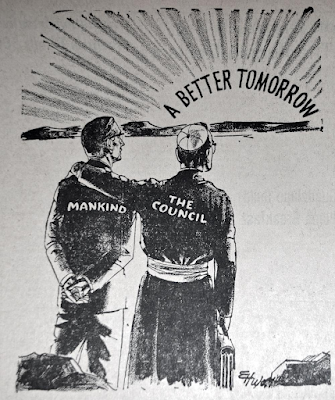
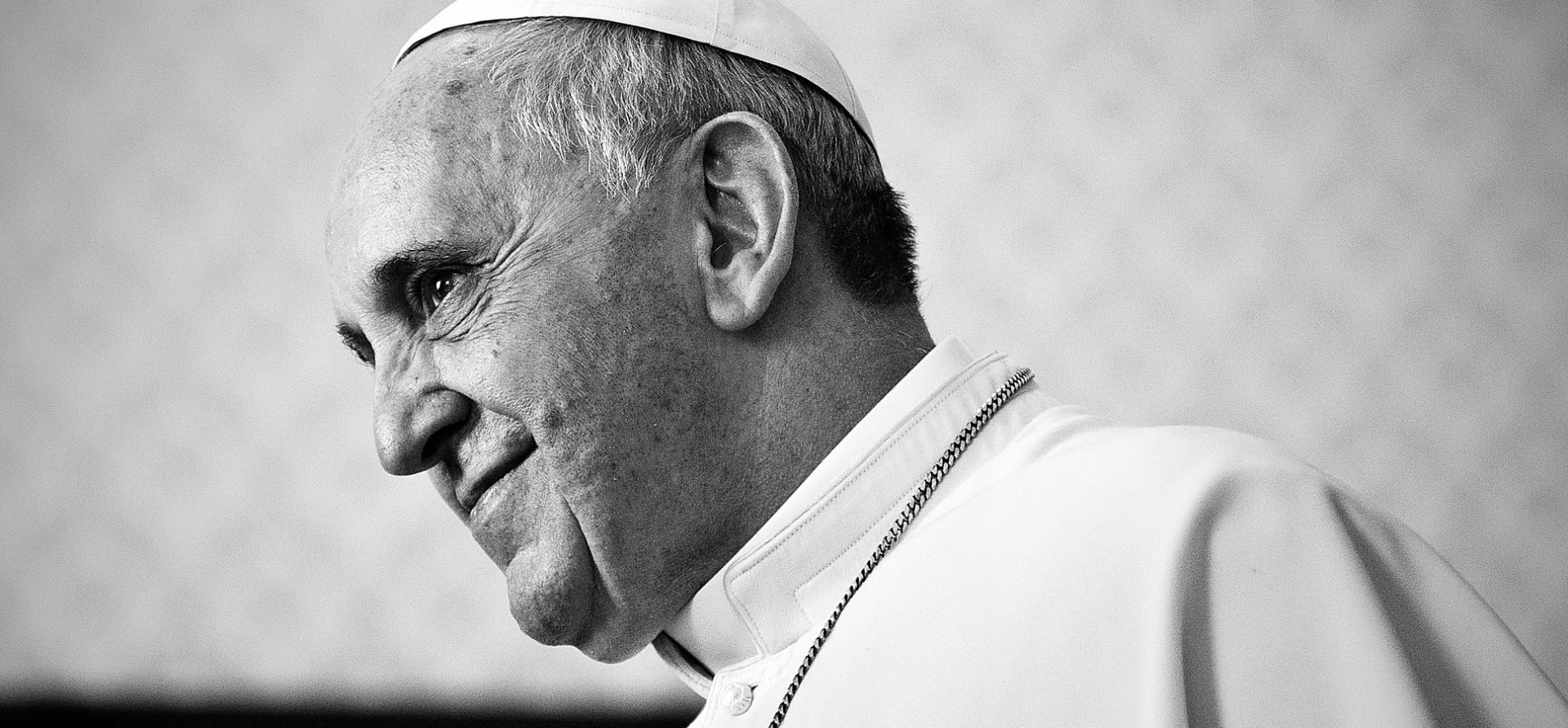
The papacy of Francis was indeed inevitable. The person of Jorge Mario Bergoglio was formed by the years leading up to the Second Vatican Council, by the event of the Council itself and the three decades following the Council. He has been described as a complex man with a complex history. Surely a part of this complexity was a result of being a Jesuit at a time of great upheavals in the Jesuit order during the 1960s and 1970s that followed the Second Vatican Council. It is now commonplace to point out that the main effects of Vatican II on the Catholic Church were not merely on what the documents of that Council said, but also, and much more to the point, on the appearance of what became known as the “spirit” of Vatican II. This “spirit” was claimed to be the authentic reading of the Council documents that in many cases contradicted the documents themselves. The most obvious example is the revision of the Liturgy that was carried out by a group of liturgical periti, the experts,some of whom held well known negative feelings towards the Traditional Roman Mass as shown in their publications even before the Council. The frank and detailed history of the proceedings of the Concilium is readily available in Annibale Bunigni’s published account of the proceedings of the Concilium in his book The Reform of the Liturgy: 1948-1975. It is there that one sees quite clearly the phenomenon of the “spirit” of Vatican II, where what the Council document on the Liturgy, Sacrosanctum Concilium, asked for, and the liturgical form that came out of the Concilium were quite different, where the “spirit” of Vatican II voided the letter and import of Vatican II. These liturgical “spiritists” still roam the corridors of the liturgical academic center of Sant’ Anselmo in Rome and elsewhere, though silver threads are showing among their golden heads.